Healthy Salad Dressing Recipes Without Mayo: Elevate Your Fresh Green Salads with These Easy Ideas for Clean Eating

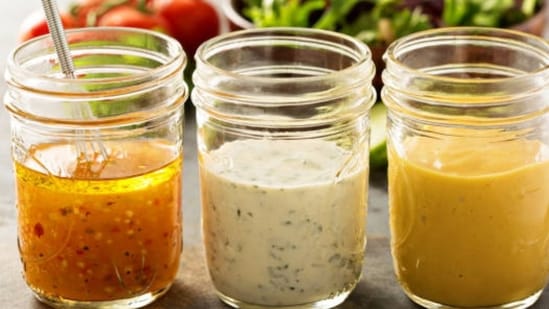
A good salad dressing can change a simple mix of greens and vegetables into a meal worth looking forward to. Healthy salad dressing recipes without mayo focus on lighter dressings made with ingredients such as olive oil, lemon juice, vinegar, yoghurt, mustard, herbs, garlic, and seeds. These simple combinations add tanginess, creaminess, and flavour without relying on mayonnaise.
Healthy Salad Dressing Recipes (Freepik)
Choosing healthy salad dressings and no mayo dressing recipes also gives better control over the ingredients added to everyday meals. A low calorie salad dressing can use fresh citrus juice, herbs, vinegar, or yoghurt as the base, while clean eating dressings focus on minimally processed ingredients. Homemade vinaigrettes typically combine oil with an acidic ingredient such as lemon juice or vinegar, along with herbs and seasonings. During the monsoon, preparing dressings at home also allows ingredients to be made fresh in smaller quantities and stored safely under refrigeration.
Salad dressings containing moderate amounts of dietary fat can help the body absorb fat-soluble nutrients and carotenoids present in vegetables. Olive oil and other unsaturated plant oils provide fats that support cardiovascular health when used as part of a balanced diet. Adding a flavourful dressing can also make leafy greens and raw vegetables more enjoyable, encouraging greater variety in everyday vegetable intake.
Acidic ingredients such as lemon juice and vinegar provide a sharp contrast to fresh vegetables and can complement fibre-rich meals. Vinegar consumed with carbohydrate-containing meals may also help moderate the post-meal blood glucose response in some people. Combined with garlic, herbs, spices, or yoghurt, homemade dressings offer plenty of flavour while allowing better control over added sugar, sodium, and overall calories.
How the Right Salad Dressing Adds Nutritional Value
The right salad dressing does more than improve the taste of fresh vegetables. Dressings containing moderate amounts of healthy fats can help the body absorb fat-soluble vitamins such as vitamins A, D, E, and K from a meal. Oil-based dressings may also improve the absorption of carotenoids, including beta-carotene from carrots and lycopene from tomatoes. Adding acidity, creaminess, or savoury flavours can balance the natural bitterness of some leafy greens, making a wider variety of vegetables more enjoyable to eat regularly.
Dressings prepared with olive, avocado, or canola oil provide unsaturated fats that can support healthy cholesterol levels when used in place of sources high in saturated fat. These plant-based oils can contribute to a heart-friendly eating pattern when consumed in suitable portions. Healthy fats and protein-rich dressing ingredients, such as yoghurt, can also slow digestion and make a balanced salad more substantial, which may help manage appetite between meals.
Acidic ingredients such as lemon juice and vinegar pair particularly well with fibre-rich vegetables and add plenty of flavour without relying on heavy sauces. Vinegar-based dressings eaten alongside carbohydrate-containing meals may also help moderate the post-meal blood glucose response in some individuals. Preparing salad dressing at home provides greater control over added sugar, sodium, oil, and other ingredients, making it easier to adjust each recipe according to personal dietary preferences.
5 Healthy Salad Dressings Without Mayo for Fresh and Flavourful Meals
Lemon Herb Vinaigrette
Lemon Herb Vinaigrette combines fresh lemon juice, olive oil, and herbs for a light dressing rich in flavour. Olive oil provides unsaturated fats that help the body absorb fat-soluble nutrients from vegetables, while lemon juice adds a fresh citrus taste that pairs well with leafy greens, cucumber, tomatoes, and grilled vegetables.
Quick View
Prep Time: 5 minutes
Total Time: 5 minutes
Servings: 4
Difficulty: Easy
Best Paired With: Green salads and grilled vegetables
Ingredients
- 3 tablespoons extra virgin olive oil
- 2 tablespoons fresh lemon juice
- 1 teaspoon Dijon mustard
- 1 teaspoon dried oregano
- 1 tablespoon chopped coriander or parsley
- 1 garlic clove, minced
- Black pepper to taste
- Salt to taste
Instructions
- Add lemon juice, mustard, garlic, herbs, salt, and black pepper to a small bowl.
- Slowly pour in the olive oil while whisking continuously.
- Whisk until the ingredients combine into a smooth dressing.
- Drizzle Lemon Herb Vinaigrette over fresh salad just before serving.
Creamy Greek Yoghurt Mint Dressing
Greek Yoghurt Mint Dressing offers a creamy texture without mayonnaise and adds protein and calcium to salads. Yoghurt also provides beneficial live cultures when made with active cultures, while fresh mint adds a cooling flavour that pairs particularly well with cucumber, chickpea, chicken, and grain-based salads.
Quick View
Prep Time: 5 minutes
Total Time: 5 minutes
Servings: 4
Difficulty: Easy
Best Paired With: Cucumber, chicken, and chickpea salads
Ingredients
- ½ cup plain Greek yoghurt
- 2 tablespoons fresh mint leaves, chopped
- 1 tablespoon lemon juice
- ½ teaspoon roasted cumin powder
- 1 small garlic clove, minced
- Black pepper to taste
- Salt to taste
Instructions
- Add Greek yoghurt to a mixing bowl.
- Mix in fresh mint, lemon juice, cumin, garlic, salt, and black pepper.
- Whisk until smooth and evenly combined.
- Refrigerate Greek yoghurt Mint Dressing until ready to serve.
Apple Cider Vinegar Mustard Dressing
Apple Cider Vinegar Mustard Dressing provides a sharp and slightly savoury flavour without using mayonnaise. Vinegar-based dressings can complement carbohydrate-containing meals, while mustard adds flavour with relatively few calories. The dressing works particularly well with cabbage, carrots, apples, leafy greens, and lentil salads.
Quick View
Prep Time: 5 minutes
Total Time: 5 minutes
Servings: 4
Difficulty: Easy
Best Paired With: Lentil, cabbage, and leafy green salads
Ingredients
- 2 tablespoons apple cider vinegar
- 2 tablespoons olive oil
- 1 teaspoon Dijon mustard
- ½ teaspoon honey, optional
- ½ teaspoon garlic powder
- Black pepper to taste
- Salt to taste
Instructions
- Combine apple cider vinegar, mustard, garlic powder, salt, and black pepper in a bowl.
- Add honey if a mildly sweet flavour is preferred.
- Slowly whisk in olive oil until properly combined.
- Toss Apple Cider Vinegar Mustard Dressing with the salad immediately before serving.
Coriander Lime Dressing
Coriander Lime Dressing combines fresh herbs and citrus for a vibrant dressing suitable for vegetable, bean, corn, and grilled chicken salads. Coriander contributes naturally occurring antioxidants, while lime provides vitamin C and acidity that enhances the taste of fresh ingredients without requiring heavy sauces.
Quick View
Prep Time: 10 minutes
Total Time: 10 minutes
Servings: 4
Difficulty: Easy
Best Paired With: Bean, corn, and grilled chicken salads
Ingredients
- 1 cup fresh coriander leaves
- 2 tablespoons lime juice
- 2 tablespoons olive oil
- 1 small garlic clove
- 1 green chilli, optional
- 2 tablespoons water
- Black pepper to taste
- Salt to taste
Instructions
- Add coriander, lime juice, garlic, green chilli, and water to a blender.
- Blend until smooth.
- Add olive oil, salt, and black pepper.
- Blend briefly until Coriander Lime Dressing reaches a smooth consistency.
- Refrigerate until ready to use.
Sesame Ginger Dressing
Sesame Ginger Dressing brings nutty and mildly spicy flavours to cabbage, carrot, cucumber, tofu, and chicken salads. Sesame provides unsaturated fats and minerals, while fresh ginger adds naturally occurring bioactive compounds. The strong flavours also mean a small quantity can add plenty of taste to a vegetable-rich meal.
Quick View
Prep Time: 7 minutes
Total Time: 7 minutes
Servings: 4
Difficulty: Easy
Best Paired With: Cabbage, tofu, chicken, and noodle salads
Ingredients
- 1 tablespoon sesame oil
- 1 tablespoon olive oil
- 1 tablespoon rice vinegar
- 1 teaspoon grated ginger
- 1 teaspoon low-sodium soy sauce
- 1 teaspoon sesame seeds
- ½ teaspoon honey, optional
Instructions
- Add sesame oil, olive oil, rice vinegar, ginger, and soy sauce to a bowl.
- Add honey if a slightly sweet taste is preferred.
- Whisk the ingredients until evenly combined.
- Sprinkle sesame seeds into the dressing.
- Toss Sesame Ginger Dressing with the chosen salad before serving.
FAQs
Which healthy salad dressing is best for weight management?
Lemon herb vinaigrette and apple cider vinegar mustard dressing can work well for weight-management meals when oil portions are measured and the dressings are paired with balanced salads.
Can healthy salad dressings be made without mayonnaise?
Healthy salad dressings can be prepared without mayonnaise using Greek yoghurt, olive oil, lemon juice, vinegar, mustard, herbs, tahini, or blended vegetables as alternative bases.
How long can homemade salad dressings be stored?
Homemade salad dressings generally keep for a few days under refrigeration, depending on the ingredients. Dressings containing fresh dairy, herbs, or garlic should be refrigerated promptly and used sooner.